
Artist David Cotterrell transforms four Ford Fiestas into tidal instruments for Intertidal, a major new Sea for Yourself commission appearing across Plymouth this autumn
Something unexpected is about to appear on Plymouth’s streets.
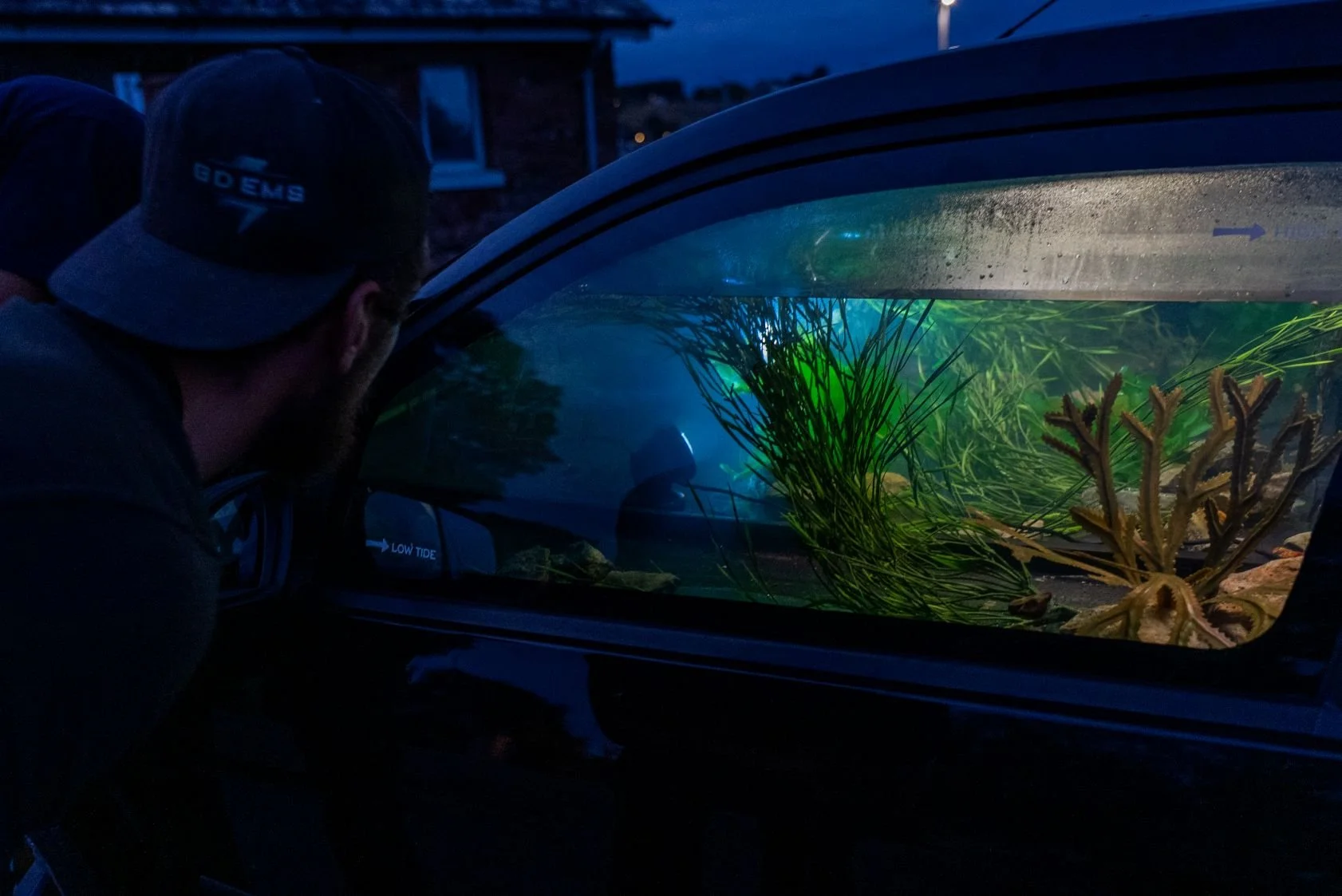
From Thursday 3 September, four familiar Ford Fiestas will begin appearing in locations across the city...but look through the windows and they are anything but ordinary.
Created by internationally recognised British installation artist David Cotterrell, Intertidal is a new public artwork that transforms four cars into tidal instruments, using data, digital technology and engineering, each of the cars will fill with water to match the rise and fall of the tide times in Plymouth.
The first four cars will appear at Tinside, Mount Batten, Tavistock Place outside The Box and Mount Edgcumbe, before moving between locations across Plymouth during September and October.
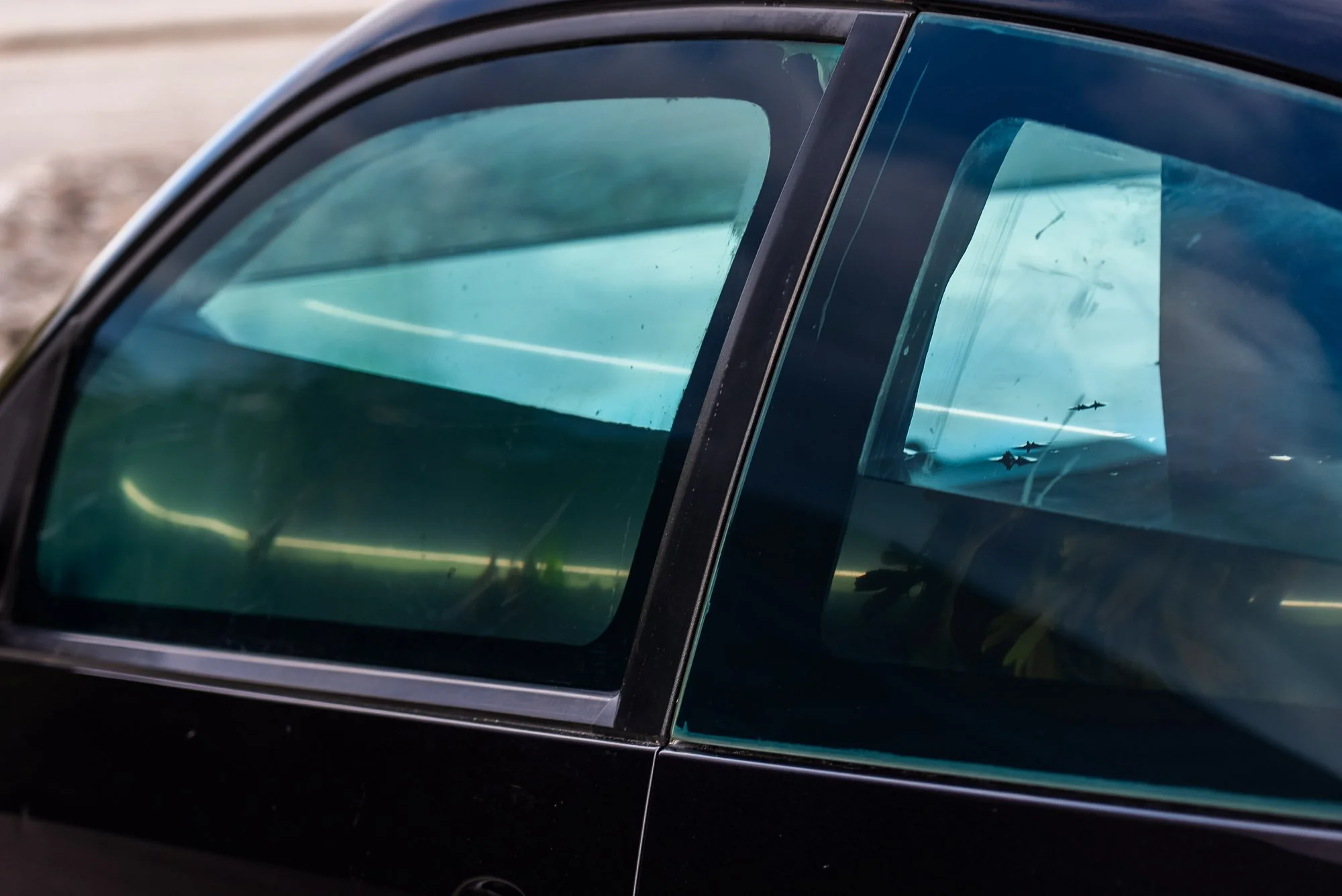
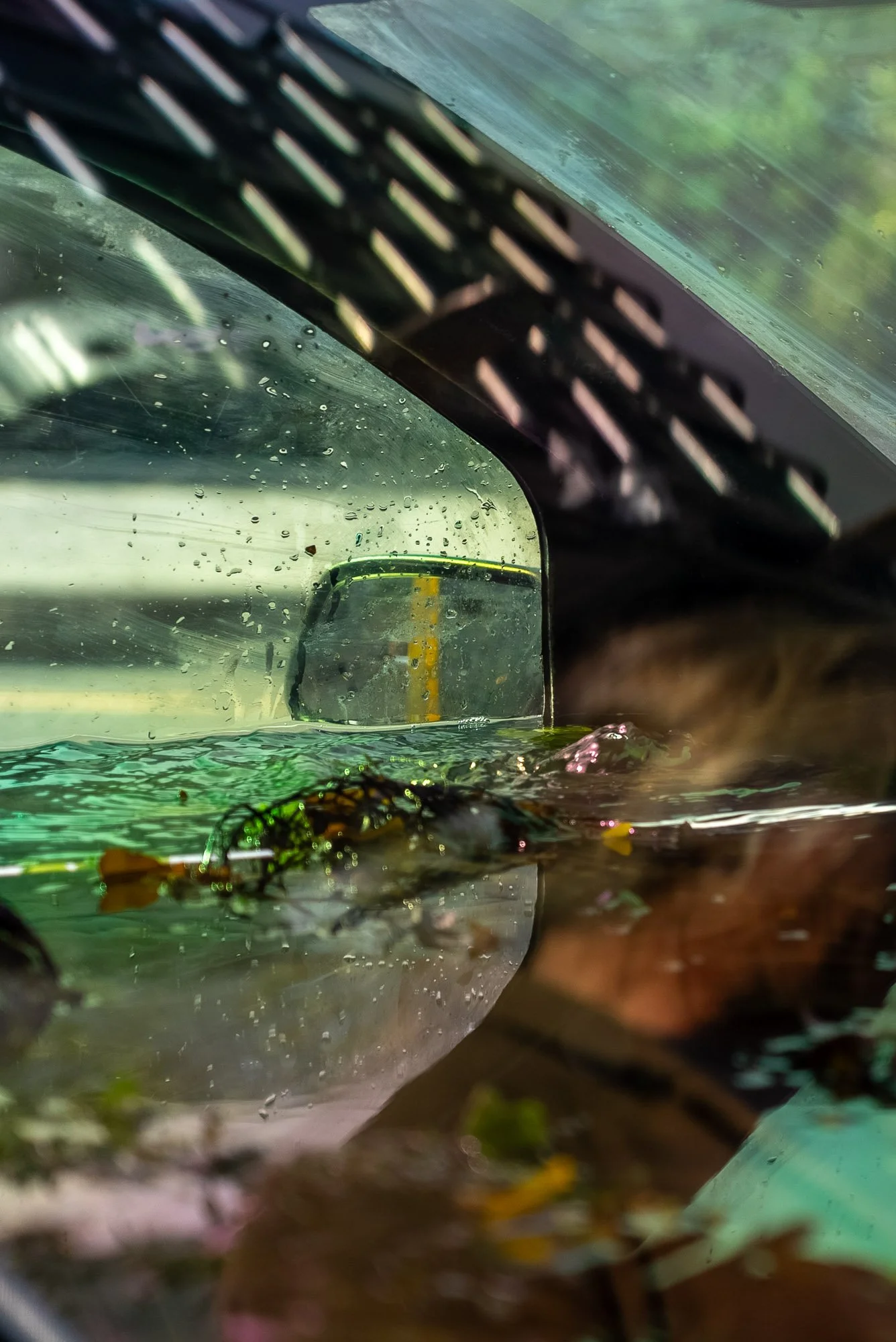
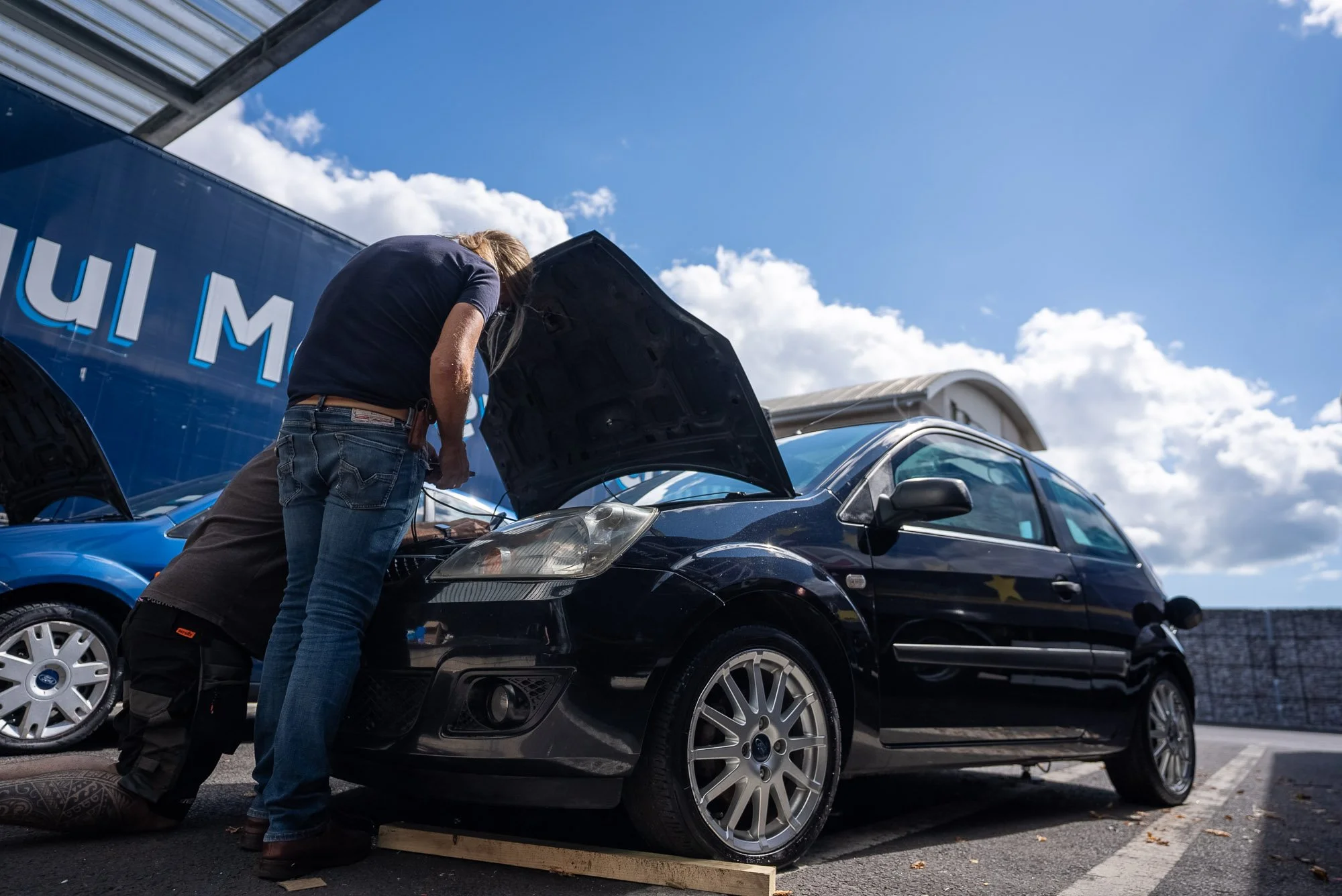
Inside each radically re-engineered Fiesta, the water level rises and falls in response to tidal information. Hidden reservoirs, pumps, sensors, filtration systems, batteries and digital controls work together to translate data into physical movement.
The result is neither a functioning road car nor a conventional sculpture.
It is a machine for making the tide visible.
Where does the sea really stop?
Intertidal is the first major commission to be revealed through Sea for Yourself, a cultural programme led by Plymouth Culture in partnership with Plymouth Sound National Marine Park and Plymouth City Council.
At the heart of the artwork is a deceptively simple question: where does the sea really stop?
Plymouth is a city shaped by water, yet the changing tide can easily become part of the background to everyday life.
By taking its rhythm away from the shoreline and placing it inside one of the most familiar objects in the urban landscape, Cotterrell invites people to notice that relationship again.
A car parked beside a road, museum, ferry landing or community space may initially look completely ordinary. Look closer and another system is at work.
Each vehicle uses its location and tidal information to determine what its internal water level should be. As the tide changes, water moves between a hidden reservoir and the visible cabin, creating an unexpected fragment of an intertidal environment within the city.
The cars will travel between different communities and landscapes during the project, allowing the same tide to be encountered in very different parts of Plymouth.
David Cotterrell, artist, said: “We live alongside the tide, but it’s remarkably easy to stop noticing it. I wanted to take that familiar rhythm and place it somewhere it doesn’t belong – inside an object we barely give a second glance. There’s something wonderfully strange about encountering an ordinary car and realising that it is quietly responding to the sea. My hope is that moment of surprise makes people pause, look again and perhaps notice the connections between Plymouth and the water that's all around us.”
Where to see Intertidal first
From 3 September 2026, the first four Intertidal cars can be found at Tinside Plymouth Hoe, Mount Batten Car Park Mount Batten, The Box Tavistock Place and Mount Edgcumbe near the ferry landing.
The cars will subsequently move to new and surprising locations across Plymouth throughout September and October.
Visitors can follow the latest locations, discover Tide Together activities and explore learning resources through the Plymouth Sound National Marine Park website:
Photos by Joe Fisher